Drainage That Prevents Water From Pooling
Grading and Leveling in Savannah for properties experiencing standing water, uneven yards, and poor drainage around structures
Water pools against foundations, floods low spots in yards, and erodes soil when grading slopes incorrectly or levels out over time due to settling and soil compaction. Properties in Savannah, Bloomingdale, Statesboro, and surrounding areas face high annual rainfall and seasonal storms that test drainage systems, making proper grading essential for directing runoff away from structures before it infiltrates basements, undermines slabs, or saturates crawl spaces. Delta Earthworks provides grading and leveling that creates stable building sites with slopes engineered to move water toward drainage outlets, whether you need rough grading for new construction, finish grading before landscaping, or regrading to fix drainage problems on established properties.
Grading reshapes terrain by adding or removing soil to establish slopes that drain consistently, eliminate low spots where water collects, and create level areas for patios, driveways, and building pads. Precision equipment maintains elevation tolerances within fractions of an inch for finish grading, which determines whether pavers sit level, sod establishes evenly, and surface water flows predictably during rain events. Operators use laser-guided grading blades that automatically adjust to engineered slopes, ensuring consistent fall rates across large areas.
Schedule an on-site grading assessment to identify current drainage patterns and elevation adjustments needed for effective water management.
What Changes After Grading Completes
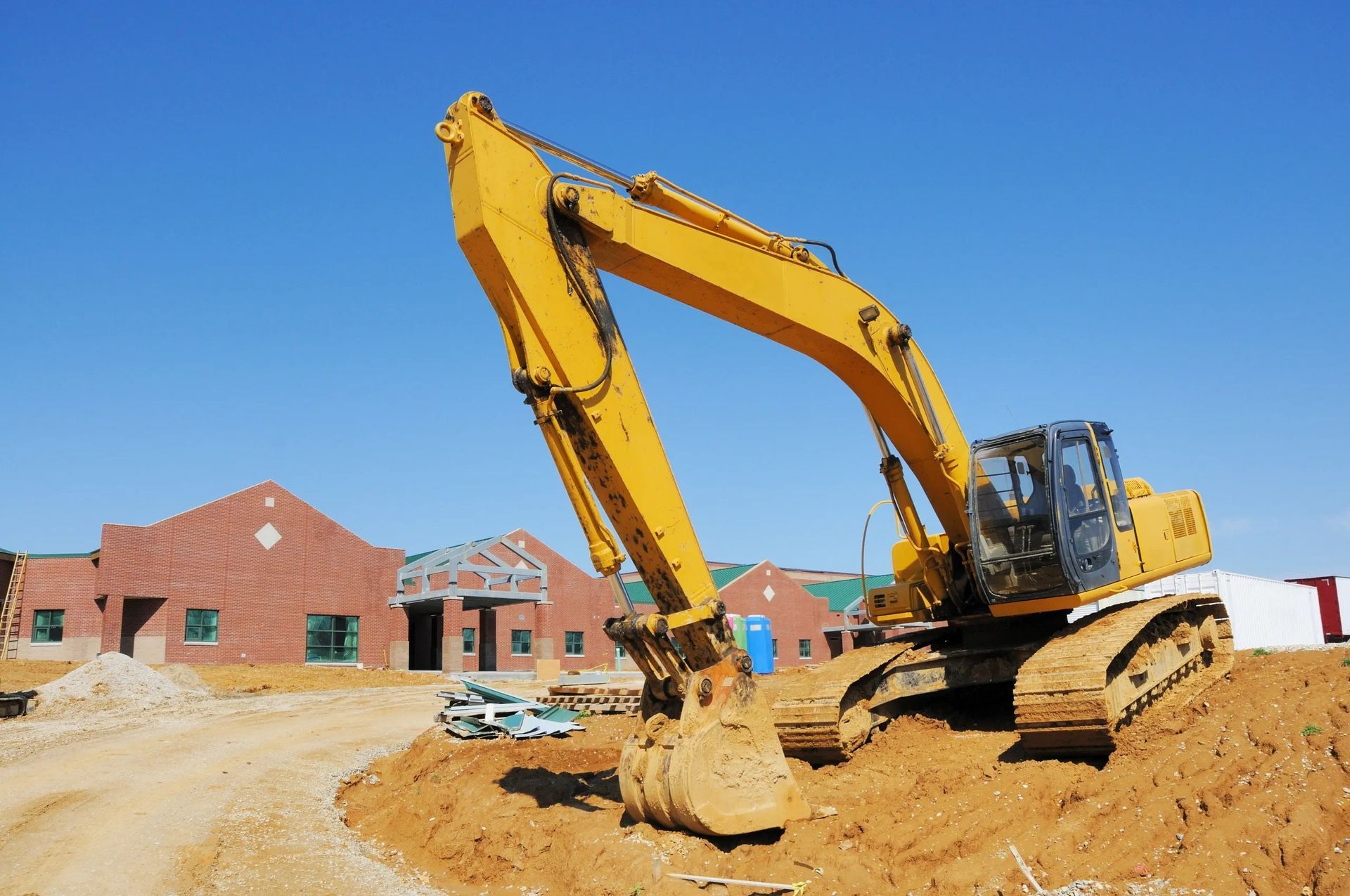
Proper grading establishes positive drainage slopes that move water away from structures at rates sufficient to prevent pooling, typically requiring minimum falls of two percent across paved surfaces and five percent across planted areas. Rough grading removes high spots and fills depressions to create approximate final elevations, while finish grading smooths the surface to within one inch of design grades and prepares soil for seeding, sodding, or hardscaping. Equipment selection depends on site size and precision requirements—box blades spread material evenly for rough work, while laser-guided graders achieve the tight tolerances needed before concrete placement or landscaping installation.
After grading, you notice water flowing away from your home's foundation during rainstorms instead of pooling against walls, level surfaces where slopes previously caused uneven footing, and smooth transitions between yard areas that eliminate abrupt elevation changes. Graded sites drain within hours of heavy rain rather than holding standing water for days, topsoil remains in place instead of washing into low areas, and construction crews can work without encountering muddy conditions that delay projects.
Grading projects in coastal Georgia often require balancing drainage needs against minimal natural slope, which means creating subtle grades that move water effectively without causing erosion or requiring retaining structures. Lot preparation includes establishing swales that channel runoff toward street drainage or retention areas, building up foundation zones above surrounding grades to ensure positive drainage, and compacting fill material in lifts that prevent future settling.
Common Questions About This Service
Grading requirements vary based on existing site conditions, drainage goals, and intended land use after shaping completes.
What determines the slope needed for effective drainage?
Building codes typically require slopes that fall at least six inches over the first ten feet away from structures, though steeper grades improve drainage in areas with heavy clay soils that absorb water slowly. Sites in Savannah with flat natural terrain may require importing fill to build up foundation areas and create sufficient fall toward drainage outlets.
How does grading prepare sites for landscaping?
Finish grading creates smooth, uniform surfaces at precise elevations that allow sod to establish evenly, irrigation systems to function without low spots causing overwatering, and hardscaping to drain properly. Without finish grading, planted areas develop uneven growth patterns and paved surfaces collect water in depressions.
When should regrading be considered for existing properties?
Regrading becomes necessary when water pools against foundations, drains toward structures instead of away, or creates muddy areas that prevent yard use after moderate rainfall. Signs include foundation moisture, settling around additions where new soil was not compacted properly, and erosion channels that form during storms.
What soil work occurs during rough grading?
Rough grading removes or relocates soil to establish approximate final elevations, eliminates large irregularities, and creates access routes for construction equipment. This phase focuses on moving material efficiently rather than achieving precise elevations, leaving fine adjustments for finish grading after utility installation and foundation work complete.
Why does grading require multiple equipment passes?
Initial passes remove high spots and spread material into low areas, intermediate passes blend transitions and refine slopes, and final passes with laser-guided equipment achieve design elevations within tight tolerances. Each pass compacts soil incrementally, which prevents excessive settling that would undo grading work after landscaping installation.
Delta Earthworks evaluates existing drainage problems and designs grading solutions that address current issues while preventing future water management concerns. Request a property evaluation to determine elevation adjustments and slope corrections needed for reliable drainage across your site.