Hazardous Trees Removed Without Property Damage
Tree Services in Savannah for properties with damaged, unstable, or unwanted trees threatening structures and blocking development
Trees become removal priorities when storm damage weakens structural integrity, root systems undermine foundations and utilities, or clearing is necessary for construction and property improvements. Delta Earthworks provides professional tree removal for residential, commercial, and development projects where safe extraction requires specialized equipment and planning to protect nearby structures, utility lines, and surrounding landscape features. Hazardous trees leaning toward homes, dead pines with brittle limbs overhanging driveways, and mature hardwoods located within building footprints all present removal challenges that demand controlled dismantling rather than simple felling.
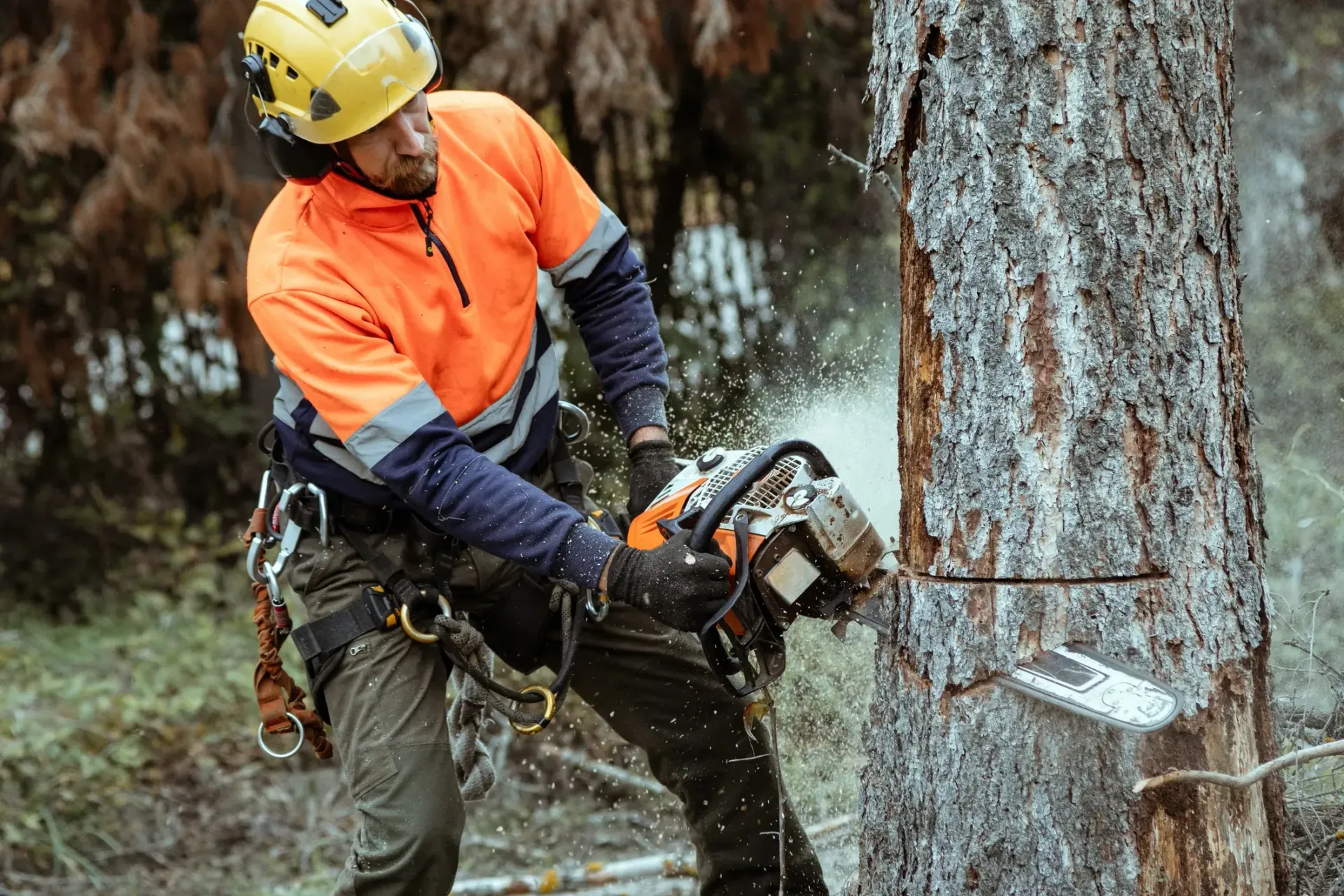
Tree removal involves assessing lean direction and weight distribution, establishing rigging points for controlled lowering of sections, and cutting trees in segments when space limitations prevent directional felling. Specialized equipment including cranes, bucket trucks, and rigging systems allow operators to dismantle trees piece by piece above structures, lower sections without ground impact that damages landscaping, and extract root systems that interfere with construction excavation. Properties in Savannah frequently contain live oaks with sprawling canopies and extensive root zones that require careful planning to remove without damaging irrigation systems, sidewalks, or adjacent trees being preserved.
Request a property evaluation for tree removal needs to assess hazards, access requirements, and protection measures for surrounding features in Savannah, Rincon, Bloomingdale, and surrounding areas.
Why Controlled Removal Works for Complex Situations
Safe tree removal depends on equipment capable of reaching full tree height, rigging systems that control limb descent during cutting, and operators experienced in reading tree balance to prevent unexpected shifts during sectional dismantling. Trees near power lines require coordinated utility shutoffs or insulated equipment that maintains safe clearances during removal, while trees overhanging structures need rigging that lowers sections vertically rather than allowing gravity drops that damage roofs or crush landscaping. Stump grinding after tree removal eliminates root crowns to depths that allow grading and construction to proceed without obstructions.
After tree removal, you notice unobstructed building sites where canopies previously blocked construction access, eliminated fall hazards where dead or damaged trees threatened structures during storms, and clear property lines where overgrown vegetation obscured boundaries. Removed trees no longer drop limbs during wind events, root systems stop lifting sidewalks and cracking foundations, and sunlight reaches areas that remained shaded and prevented lawn growth or landscaping establishment.
Protection protocols during removal include establishing work zones that keep equipment away from structures, using plywood or mats to distribute weight across lawns and prevent rutting, and coordinating debris removal to maintain site access throughout the project. Development projects often require clearing multiple trees efficiently while preserving specimen trees marked for retention, which demands selective cutting that avoids damaging nearby trees with equipment or falling sections.
Answers to Frequent Service Questions
Tree removal planning accounts for tree size, proximity to structures, and site access that determines equipment requirements and project approach.
What happens to the wood and debris after tree removal?
Material is either chipped on-site for mulch, cut into firewood lengths if desired, or hauled away depending on tree species and your preferences. Stump grinding produces wood chips that can be used for landscaping mulch or removed with the stump, leaving the area ready for grading or replanting.
How are trees removed when access is limited?
Compact equipment and rigging systems allow removal in tight spaces where full-size cranes cannot operate, with sections lowered through narrow gaps between structures or lifted over obstacles. Properties with restricted access may require removing sections in smaller pieces, which increases labor but prevents damage to fences, gates, and adjacent features.
When does tree removal require permits in Savannah?
Local ordinances may require permits for removing trees above certain diameters or protected species, particularly in historic districts where tree preservation is emphasized. Checking permit requirements before removal begins prevents violations and ensures removal proceeds legally.
What indicators suggest a tree has become hazardous?
Visible lean increasing over time, dead branches throughout the canopy, trunk cracks or splitting, root exposure from soil erosion, and fungal growth at the base all indicate structural compromise that raises failure risk. Trees damaged during storms often appear stable initially but develop weaknesses that cause delayed collapse.
Why does stump grinding depth matter for future construction?
Stumps left above excavation depth interfere with foundation digging, grading equipment, and utility installation, requiring removal before construction proceeds. Grinding to depths of twelve to eighteen inches below final grade ensures stumps do not obstruct future work or create settling pockets after decomposition.
Delta Earthworks coordinates tree removal with construction schedules and weather conditions to maintain safe operations that protect your property throughout the process. Arrange a consultation to review tree locations, removal methods, and site protection requirements before work begins.