Sites Prepared for Construction and Development
Land Clearing in Savannah for properties with dense vegetation, overgrowth, and brush blocking future construction
Delta Earthworks provides land clearing in Savannah, Statesboro, Rincon, and surrounding areas for residential, commercial, agricultural, and development projects where vegetation removal is the first step toward usable land. When you need to prepare a site for a new home, commercial building, driveway installation, utility access, or recreational property, clearing removes brush, small trees, and overgrowth that prevent grading and construction. The cleared site becomes a clean foundation where excavation equipment can operate safely and construction teams can work without obstruction.
Land clearing removes vegetation down to soil level, eliminates root masses that interfere with grading, and opens access routes for heavy equipment. For properties in coastal Georgia, clearing often involves cutting through palmetto thickets, pine saplings, and undergrowth that thrives in humid conditions and regenerates quickly if not fully extracted. The process creates a flat, workable surface that allows surveyors to mark property lines accurately and equipment operators to execute grading plans without encountering hidden obstacles.
Schedule a site evaluation to identify specific vegetation density and develop a customized clearing plan for your property timeline.
What Proper Clearing Requires
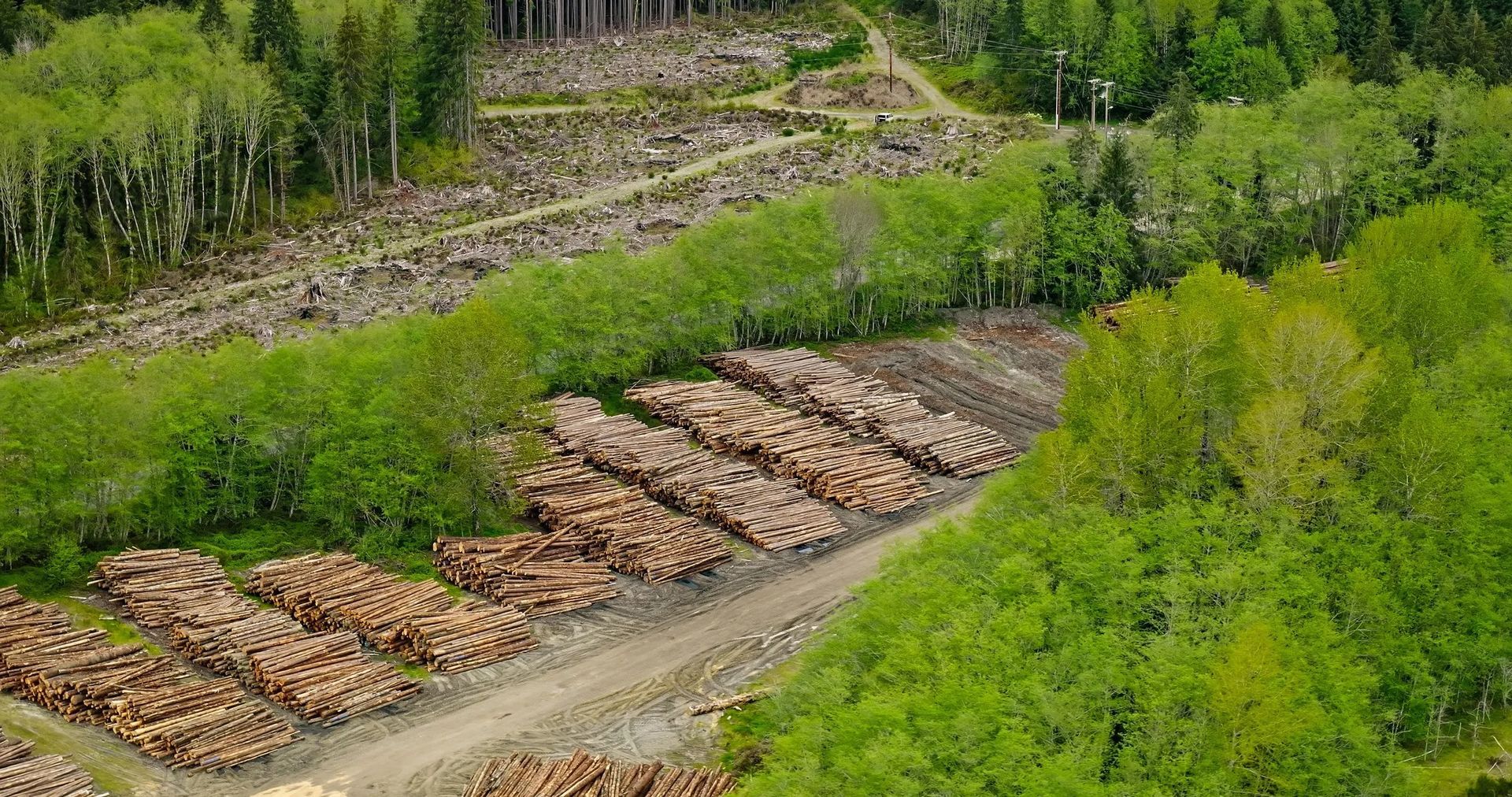
Efficient land clearing depends on equipment sized appropriately for the vegetation density and terrain conditions, which determines how quickly the site can be processed without damaging underlying soil structure. Operators assess root depth, tree diameter, and proximity to property boundaries before selecting the clearing method that balances speed with soil preservation. Equipment choices range from mulching heads that grind vegetation into soil-enriching mulch to excavators with grapples that extract root systems entirely, depending on whether the site will be graded immediately or left fallow.
After clearing, you notice defined boundaries where vegetation once obscured property lines, level ground where tangled undergrowth created uneven terrain, and clear sightlines across the entire site that allow you to visualize building placement. Delta Earthworks stages debris removal to keep the site accessible during clearing, hauling away material that cannot be mulched or repurposed and ensuring no piles remain that would interfere with the next phase of construction.
Safe operations require maintaining distance from underground utilities, protecting existing trees marked for retention, and controlling dust during dry periods when soil disturbance becomes airborne. Clearing plans account for stump removal needs, topsoil preservation where grading will follow immediately, and erosion control measures on sloped sites where vegetation removal exposes soil to runoff during rain events common in Savannah's subtropical climate.
Questions Before Starting Your Project
Land clearing timelines and methods vary based on site size, vegetation type, and intended use after clearing is complete.
What happens to the cleared vegetation and debris?
Material is either mulched on-site to enrich soil for future landscaping or hauled away depending on your project needs and whether the ground will be graded immediately. Root systems are extracted when grading or foundation work follows, but can be left in place for properties being cleared for pasture or recreational use.
How does clearing prepare a site for construction?
Removing vegetation eliminates obstructions that prevent grading equipment from creating level building pads, allows construction crews to establish accurate elevation benchmarks, and exposes soil conditions that inform foundation design. Clearing also opens access routes for concrete trucks, material deliveries, and utility installation crews.
When should clearing be scheduled for new construction projects?
Clearing should occur after surveying establishes property boundaries and building locations but before grading begins, typically during drier months when equipment operates more efficiently on firm ground. In Savannah, scheduling clearing between late fall and early spring avoids the wettest months when soil compaction from heavy equipment becomes a concern.
What determines the equipment used for clearing?
Vegetation density, tree diameter, root depth, and terrain slope determine whether the project requires mulching equipment that grinds material in place or excavators that extract root systems entirely. Properties with dense palmetto and pine undergrowth benefit from mulching heads that process vegetation quickly while enriching topsoil.
Why does proper clearing matter for future drainage?
Clearing removes root masses that create uneven terrain and interfere with planned drainage slopes, allowing grading crews to establish consistent water flow patterns across the site. Without thorough clearing, buried stumps and root networks create settling pockets after construction that disrupt drainage paths and foundation stability.
Delta Earthworks matches clearing methods to your site conditions and construction timeline, ensuring the property is ready for the next phase without delays. Request a property evaluation to outline vegetation removal requirements and equipment access needs before your project begins.