Driveways Designed for Dependable Year-Round Access
Gravel Driveways in Savannah for residential properties, farms, and private roads requiring improved drainage and durable access
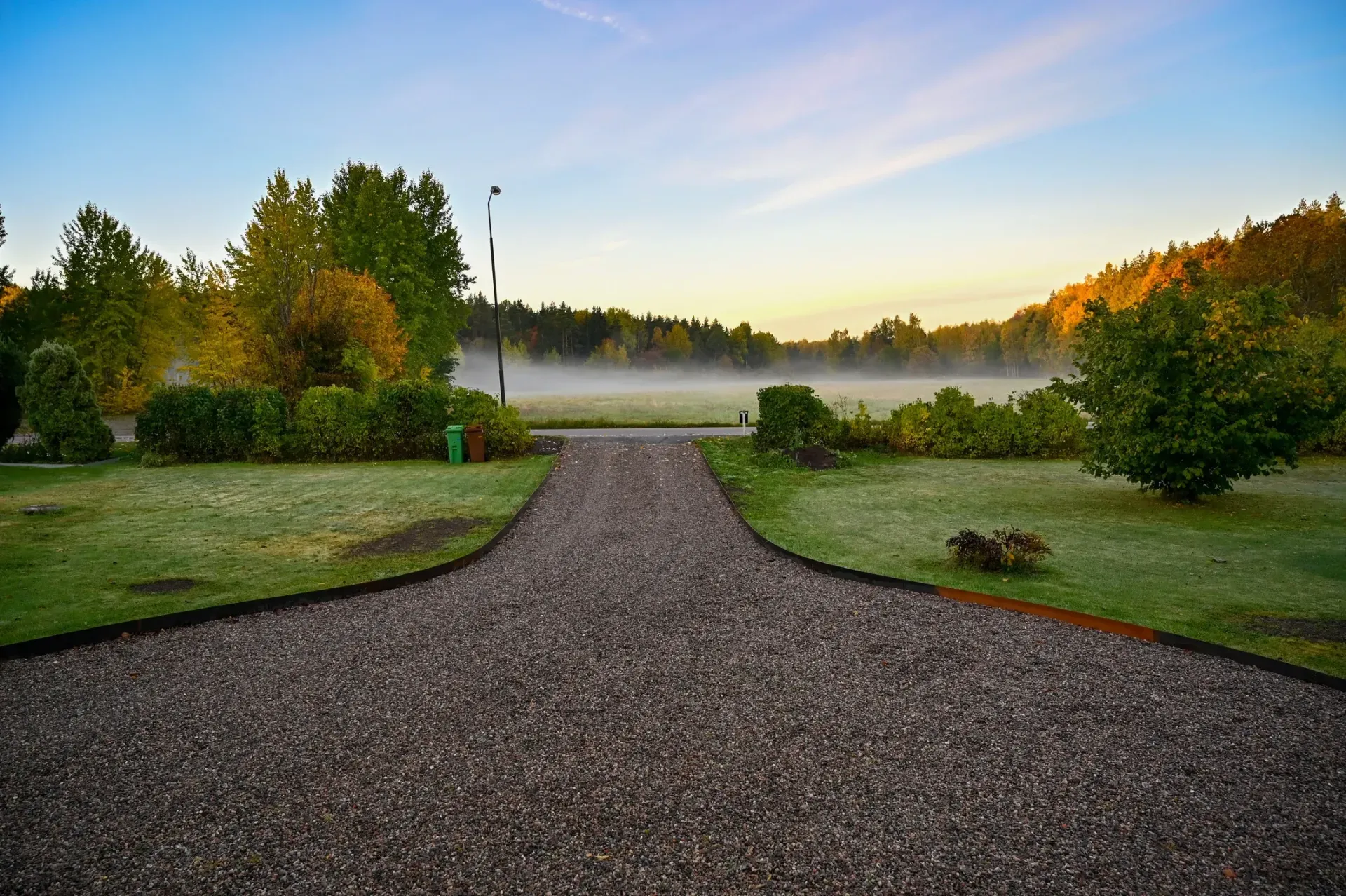
Standing water, rutting, and soft spots make gravel driveways impassable during heavy rain or limit access for delivery vehicles and equipment. Delta Earthworks installs gravel driveways in Savannah, Bloomingdale, Statesboro, and surrounding areas with excavation, grading, and proper base preparation that supports traffic without settling into mud or developing washouts. Finished driveways drain effectively, resist rutting under vehicle weight, and remain accessible regardless of weather conditions or seasonal moisture.
Installation begins with excavation to remove unsuitable topsoil and organic material that compresses under load. Grading establishes crown or cross-slope that sheds water to edges rather than allowing it to pool in wheel paths. A compacted base layer of larger aggregate provides structural support, topped with gravel sized for traction and drainage. Without proper layering and compaction, driveways develop ruts, lose material to erosion, and require frequent regrading as vehicles churn through soft spots.
Request an estimate for new driveway installation, extensions, or resurfacing based on current site conditions and access requirements.
What Proper Gravel Driveway Construction Requires
Excavation depth depends on soil conditions and expected traffic—residential driveways typically require eight to twelve inches of total depth, while farm roads or commercial access may need deeper sections to handle heavier loads. Base material is compacted in layers to prevent shifting, and surface gravel is selected for size and angularity that locks together under traffic rather than scattering or embedding into softer layers below.
After installation, your driveway sheds water to the sides instead of holding it in ruts, vehicles travel without sinking or spinning through soft areas, and the surface remains firm enough for delivery trucks or equipment access. You'll also notice less maintenance compared to driveways built without excavation or base work, which require frequent regrading and material replacement as the surface degrades. Proper drainage extends driveway life and reduces the amount of gravel lost to washouts during storms.
Gravel driveway work at Delta Earthworks includes new construction, extensions to existing driveways, repairs to failed sections, and resurfacing projects that restore drainage and stability. Material selection and compaction standards are matched to your property's use—residential access differs from farm lanes that handle tractors and loaded trailers. Projects are planned to coordinate with culvert installation, drainage improvements, or tree clearing when broader site work is part of the scope.
Common Driveway Questions Answered
Homeowners and landowners in Savannah and neighboring communities often ask about material types, drainage solutions, and maintenance after installation.
What type of gravel works best for driveways?
Surface layers typically use crushed stone or graded gravel with angular edges that compact and lock together, while base layers use larger aggregate that provides structural support without shifting under load.
How does excavation prevent driveway rutting?
Excavation removes soft topsoil and organic material that compresses and holds water, replacing it with compacted aggregate layers that distribute vehicle weight and drain moisture away from the travel surface.
Why do some gravel driveways fail during heavy rain?
Driveways built without proper grading or base preparation allow water to pool and saturate lower layers, which softens the subgrade and causes gravel to sink and rut as vehicles pass over weakened sections.
When should driveways be resurfaced or repaired?
Resurfacing becomes necessary when the surface layer thins, ruts develop that hold water, or base material becomes exposed—proper maintenance extends the interval between resurfacing and prevents base layer damage.
What drainage features help gravel driveways last longer?
Crown grading sheds water to both edges, culverts carry water under the driveway without erosion, and ditches along driveway sides capture runoff before it washes material away or saturates the base.
Delta Earthworks evaluates driveway layout, soil conditions, and drainage patterns to design installations that provide reliable access for your property. Contact us to schedule a site visit and receive a detailed estimate based on your driveway length, width, and traffic requirements.